
Persistent memory for AI apps
Store any text, search it in natural language, and feed the results back into your prompts — so your users never repeat themselves.
Your LLM forgets everything between sessions — so your users do the repeating, and churn. Smritea is the persistent memory layer that remembers for them: store any text, recall it in plain language, feed it back into your prompt.
Stateless AI has a memory problem — and your users feel it.
Every session starts from zero: users re-explain themselves, agents lose the thread, assistants forget what they were told yesterday. What that costs you, measured:
walk away the first time a bot makes them repeat themselves; 60% won't repeat twice.
Parloa survey, 1,001 consumers — cfodive.comexpect the assistant to already know who they are and their history.
Salesforce, via Sinch — sinch.comIt is not just the support bots. Every stateless LLM app — agents, assistants, copilots — begins each session with no idea who it's talking to.
One memory layer. Every agent.
Support, sales, assistants, copilots, internal knowledge, vertical agents — the same add() / search() memory, wherever your users are.
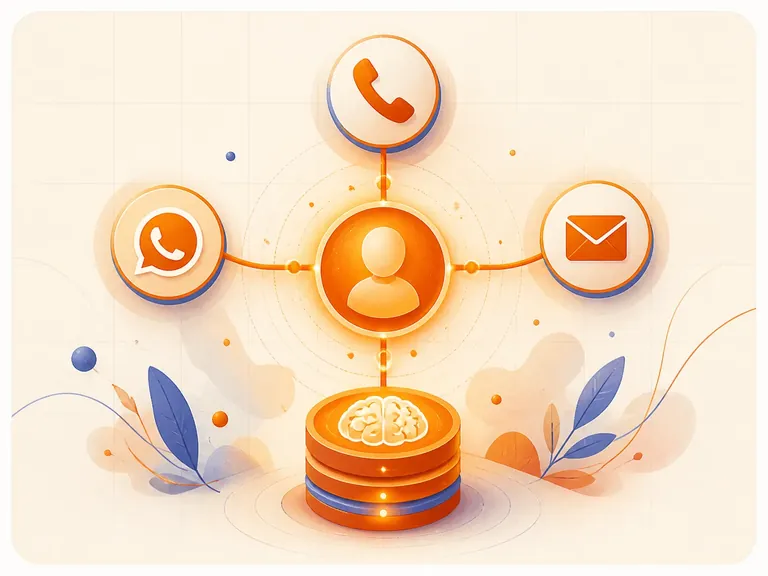
Customer support
Remembers the customer across call, WhatsApp and email — no repeating.

Sales & SDR
Recalls every prospect touch, objection and next step across the deal.
Personal assistant
Stops re-asking — knows preferences and context across sessions.
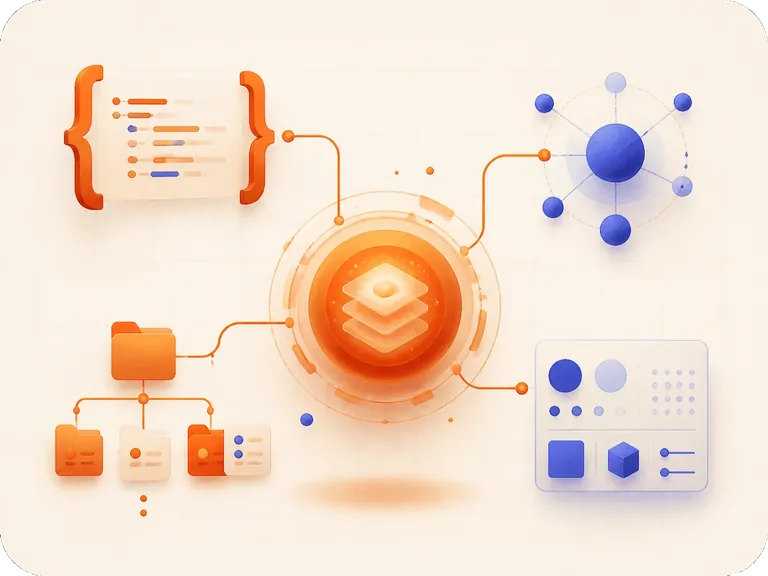
Coding copilot
Holds project context, conventions and past decisions.

Internal knowledge
Answers across docs, Slack and tickets — with sources.

Vertical agents
Remembers a patient, client or case across every visit.
Every fact your users share, remembered — across sessions, across months, searchable the moment you need it back.
A memory layer your app queries in plain language.
One add() to remember, one search() to recall — with per-user scope, a knowledge graph, and time-aware retrieval underneath.
Per-user memory
Every memory belongs to an actor inside your app — search returns only that user's context. No leakage.
Graph-linked recall
Entities are extracted and connected automatically; deep_search walks the graph to surface related facts — in ~700ms (measured).
Time-aware
Memories carry lifecycle + temporal fields — recall the world as it stood on any date.
It's two calls.
Install the SDK, add a memory, search it back. Full walkthrough on the examples page.
# pip install smritea-sdk
client.add("User prefers dark mode",
    scope=MemoryScope(actor_id="user-123", actor_type="user"))

hits = client.search("What UI does the user prefer?",
    speaker_actor_id="assistant-1",  # who's asking — speaker-aware, never a filter
    scope=MemoryScope(actor_id="user-123", actor_type="user"))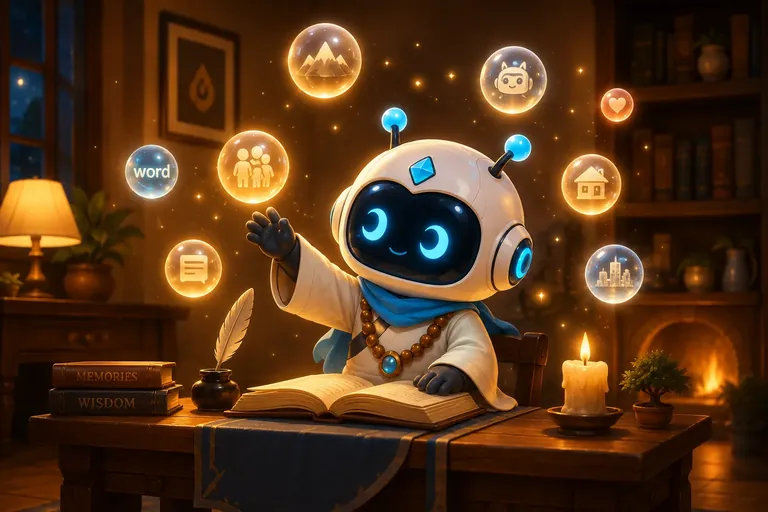
Meet Smonku
Every conversation your users have, every preference they share, every detail that matters — Smonku keeps it all. He sits at his desk, organizes memories into glowing orbs, and hands them back when your app needs them.
Give your app a memory.
Free tier included. Create an account and store your first memory in minutes.
Get your API keyPlans that grow with you
Simple, transparent pricing for every stage — from your first prototype to a production fleet.